
Clothing manufacturer MOQ, sampling cost and lead time should be reviewed as one connected production scenario, not as three independent numbers. A useful supplier answer depends on the actual style, fabric and trim availability, color and size split, sample stage, approval speed, packaging, production route and delivery term. Give every factory the same brief, ask what each figure includes, and compare assumptions before comparing prices.
This guide helps fashion brands, wholesalers and sourcing teams prepare that conversation for woven womenswear. It does not promise a universal minimum order, sample fee or production timeline. Those figures change by product and order, so the goal is to obtain a transparent, decision-ready quotation that can be updated as the style becomes clearer.

Understand how MOQ, cost and lead time connect
MOQ is the lowest commercially workable order under a defined set of assumptions. It is not always one factory-wide number. The practical minimum may be constrained by fabric dyeing, print or embroidery setup, custom labels, packaging, the number of colors and sizes, marker efficiency, or the amount of line preparation required for the style.
Separate garment quantity from component minimums
A factory may be able to sew a certain garment quantity while a mill or trim supplier requires a different purchase quantity. Ask for the minimum at each level: total style, per color, per print, per custom trim and per packaging item. Then ask what happens to excess material. It may be stored by agreement, shipped to the buyer, applied to a repeat order, or charged and disposed of under documented instructions.
Color and size fragmentation also matters. The same total units divided across many colors can create more material setups and smaller sewing runs than a concentrated order. A request for several bespoke labels, hangtags or polybag formats can add further minimums even when the garment construction is unchanged.
Define the style before treating a price as firm
A photo can support an early estimate, but construction details drive real work. Lining, seam finish, plackets, collars, pockets, gathering, pleats, fusing, special washing, print placement and packaging all affect the production route. A detailed product development brief reduces the number of assumptions hidden inside a quotation.
When the design is not final, request an indicative range with the open assumptions listed. After a sample and specification are approved, ask for the price to be reconfirmed against that version. This prevents an early reference-photo estimate from being mistaken for a final manufacturing offer.
Read lead time as a sequence, not one countdown
“Lead time” can refer to sample development, bulk material procurement, production after approvals, or transport to a destination. Ask for a stage-by-stage plan and the event that starts each stage. A factory cannot sensibly start bulk cutting if fabric, measurements, construction or color approval remains unresolved.
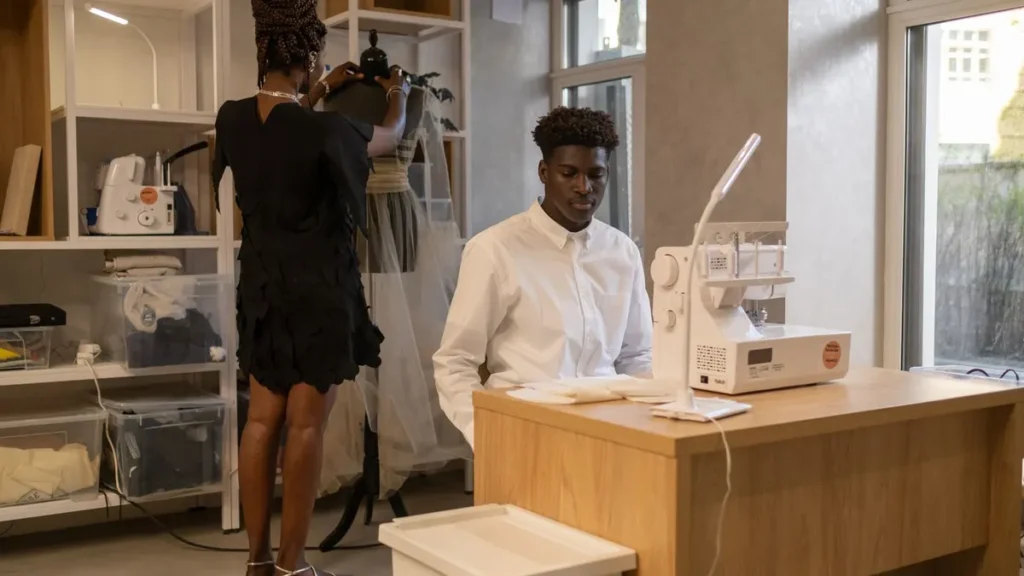
Typical dependencies include receipt of a usable brief, material confirmation, sample comments, pre-production approval, deposit or other agreed commercial trigger, bulk material arrival, production scheduling, inspection, packing and release for shipment. Enqi’s bulk production overview shows why approved inputs need to precede cutting and sewing.
Build a quotation you can compare
Two prices are comparable only when they cover the same product and commercial scope. Send a controlled request for quotation, or RFQ, to each potential supplier. Keep one version number and one deadline for questions. If you revise the fabric or quantity, issue the same revision to everyone.
| Input | What to state | What to ask the supplier |
|---|---|---|
| Style and specification | Tech Pack or controlled reference, construction, measurements and revision | Which details remain assumptions or require development? |
| Material and trims | Approved article or target characteristics, colors, lining, closures and labels | Are any minimums, setup charges or sourcing risks separate? |
| Quantity breakdown | Total units plus color and size ratio | Which level sets the commercial minimum and how are excess materials handled? |
| Quality and compliance | Destination market, buyer manual, test requirements and inspection plan | What is included, excluded or arranged through a third party? |
| Packing and delivery | Labels, folding, protective packing, carton marks, destination and requested trade term | What delivery point, transport and risk transfer does the price assume? |
| Schedule | Target approval dates and delivery objective | What starts the clock, and which buyer approvals sit on the critical path? |
Request a cost breakdown at the right level
A factory may quote one unit price, but the buyer should still understand major inclusions. Confirm whether fabric, lining, standard trims, custom brand components, testing, sample charges, packing, cartons, inspection support, taxes and transport are included. Do not assume a sample fee will be refunded or deducted from bulk unless the quotation states the condition.
Ask how the price changes at realistic quantity scenarios using the same style and color split. The answer can reveal whether a threshold comes from material purchasing, production efficiency or a custom component. It also lets the buyer decide whether simplifying colors or packaging creates more value than negotiating an unsupported headline price.
State currency, validity and change rules
A quotation should identify currency, validity period, payment milestones, sample scope and the product revision priced. It should also explain how changes are handled. A new fabric, added lining, revised measurements or different packing method can require a new costing and schedule review.
For international trade, name the requested rule and place precisely. The International Chamber of Commerce Incoterms rules define standardized responsibilities for delivery, costs and risk under the selected term. They do not replace a sales contract, payment terms, product specifications or destination compliance requirements. The quotation should state the version and named place rather than using a three-letter term alone.
Compare risk, not only the unit figure
A low figure based on unconfirmed fabric, omitted packaging or an unrealistic approval path is not necessarily a low total cost. Compare the supplier’s open questions, material route, sampling plan, change control, quality checkpoints and communication discipline. Include internal costs such as extra samples, rework, air freight caused by delay, or unusable excess materials when assessing scenarios.
Use a simple comparison sheet with one row for every assumption. Mark “included,” “excluded,” “buyer supplied,” “third party” or “to be confirmed.” This creates a basis for negotiation without pretending uncertain elements are fixed.
Plan sampling and approvals as real work
Sampling is a controlled learning process, not a ceremonial step before bulk. Each sample should have a stated purpose. A development sample may test silhouette and construction; a fit sample may verify measurements and balance; a size set may assess grading; a pre-production sample may consolidate approved bulk-intent materials, trims and workmanship.
Agree what the sample fee includes
Ask which sample type is quoted, how many pieces are included, which materials are used, whether custom print or trim development is separate, and how courier charges are handled. Clarify whether the factory is expected to create or correct a pattern, calculate specifications, source alternatives or simply follow a complete Tech Pack.
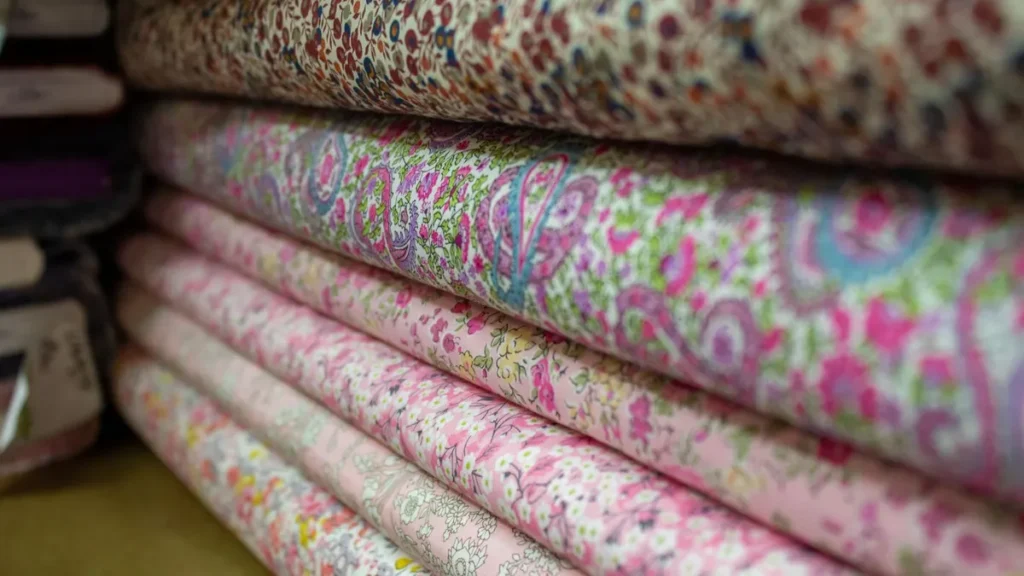
A sample made in substitute fabric can answer construction questions but may not prove final drape, color, shrinkage or pressing behavior. Mark substitutions clearly, state which decisions the sample can support, and define what must be repeated in bulk-intent material. The pattern, sampling and fit process provides a useful framework for controlled revisions.
Give every round an approval deadline
The schedule should include transit time, buyer review and factory interpretation of comments, not only sewing time. Nominate one approver, consolidate comments, identify the sample version and separate mandatory corrections from preferences. If several departments must approve fit, color, legal labeling or packaging, show those parallel decisions on the calendar.
Do not issue “approved” and a new change list at the same time. Use clear statuses such as approved, approved with a precisely recorded condition, or revise and resubmit. When a change affects material, construction, measurements, cost or timing, require the affected documents and quotation to be updated.
Connect the critical path to material and capacity
Ask when material can be reserved or ordered, what approval releases it, and whether the proposed production window is provisional until that event. Capacity is time-sensitive; a factory’s available window during an initial discussion may not remain open through an extended approval cycle. A credible schedule identifies both factory tasks and buyer-controlled dependencies.
Responsible sourcing checks can also require time. The OECD garment and footwear due diligence guidance provides a risk-based framework for identifying, preventing and addressing impacts in supply chains. Referencing it does not mean a supplier or order is certified. Buyers should define their own due diligence process, evidence requests and escalation path.

Ask the right questions before an order
A good supplier conversation leaves fewer unknowns. Use the questions below as a working agenda, then record the answers in the RFQ, sample comments, purchase order and production file rather than leaving them in separate chat threads.
Questions about MOQ and materials
- What is the workable quantity for this exact style, and what assumptions support it?
- Are minimums calculated by style, color, fabric article, print, trim or packaging item?
- Is sample yardage from the same route planned for bulk, or is a new production run required?
- How will excess fabric or custom components be costed, identified, stored or disposed of?
- Which substitutions are allowed, and who must approve them before use?
Questions about sample, price and schedule
- Which sample stage is being made, what will it prove, and what remains provisional?
- What does the sample charge include, and are material development and courier costs separate?
- Which product revision and quantity breakdown does the unit price cover?
- What event starts each schedule stage, and which buyer approvals can move the completion date?
- What inspection, testing, packing and delivery items are included or excluded?
Questions about labeling, packing and delivery
Give the supplier approved artwork, placement, material and size for brand labels, care labels, hangtags, stickers and cartons. State the destination market and responsible party for legal review. For products sold in the United States, the FTC Textile Fiber Rule is one official starting point for fiber-content and related labeling obligations. It is not a complete global compliance checklist, and linking to it does not establish product compliance.
Enqi’s private-label and packaging page outlines the component decisions to confirm before bulk application. Also specify carton assortment, protective packing, shipping marks and document needs. Ask who books freight, where delivery responsibility changes, and which dates refer to factory completion versus arrival at destination.
Turn answers into an approval-ready order file
Before placing the order, reconcile the final quotation, Tech Pack, bill of materials, measurement specification, approved samples, color and trim approvals, test plan, label artwork, packing instructions, quantity breakdown, delivery term and schedule. Every document should carry the current version, and conflicts should be resolved before production release.
If a supplier cannot yet confirm a number, ask what information or approval will make it confirmable. A transparent “subject to fabric article and color split” is more useful than an unsupported promise. For other common preparation questions, review Enqi’s buyer FAQ.
Ready to request a project-specific review? Send the style reference or Tech Pack, fabric direction, quantity by color, sample status, destination market and timing objective.