
Woven womenswear category
Custom Woven Dress Manufacturing for Women’s Collections
Develop shirt dresses, day dresses, occasion styles and other woven silhouettes from a clear brief, with fabric behavior, pattern balance, fit, openings and finishing reviewed as connected production decisions.
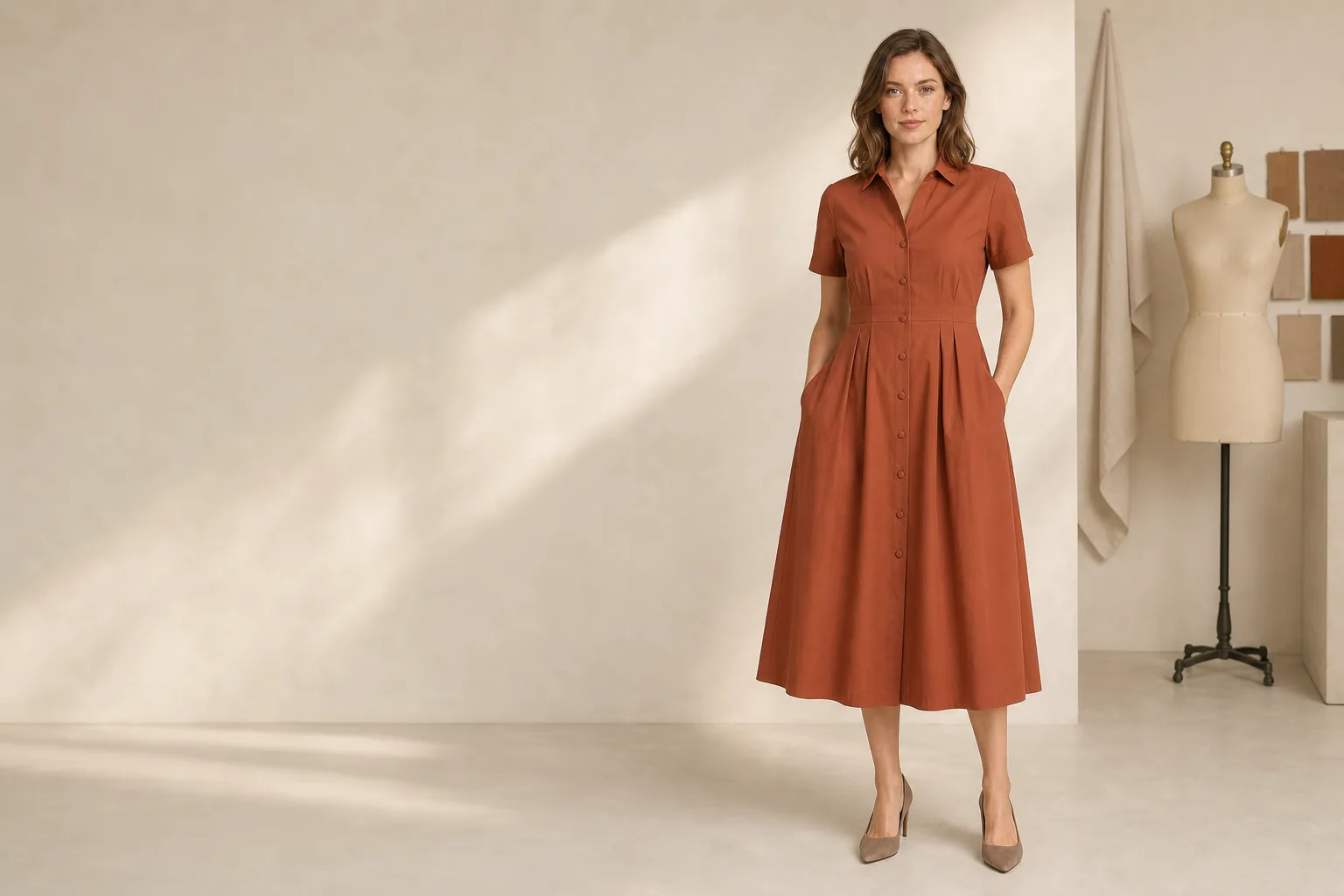
Dress development scope
Translate a dress concept into an approvable garment specification.
A reference establishes the visual direction. Pattern shape, material article, internal construction, measurements and finishing still need to be defined before the style can move through sampling and production review.
Useful starting inputs
Tech Pack, sketch, reference images or a physical sample.
Fit context
Target customer, base size, size range and intended silhouette.
Commercial context
Target quantity, market, delivery window and packing direction.
Silhouette & details
Dress options are linked construction decisions.
Length, volume, support, openings and decorative features change the pattern, sewing sequence, fabric use and fit review.
Silhouette
- Shirt and day dresses
- Fitted or shaped-waist styles
- Tiered and gathered forms
- Occasion and lace-led dresses
Neckline & sleeve
- Collars and collar stands
- Round, V, square or shaped necklines
- Sleeveless to long-sleeve options
- Facings, bindings and edge finishes
Waist & volume
- Darts, seams and shaped panels
- Belts, ties and elastic sections
- Pleats, gathers and ruffles
- Lining and internal support
Openings & finish
- Button plackets
- Concealed or visible zippers
- Loops, ties and sashes
- Pockets, trims and topstitching
Dress fabric direction
Match drape and support to the intended dress shape.
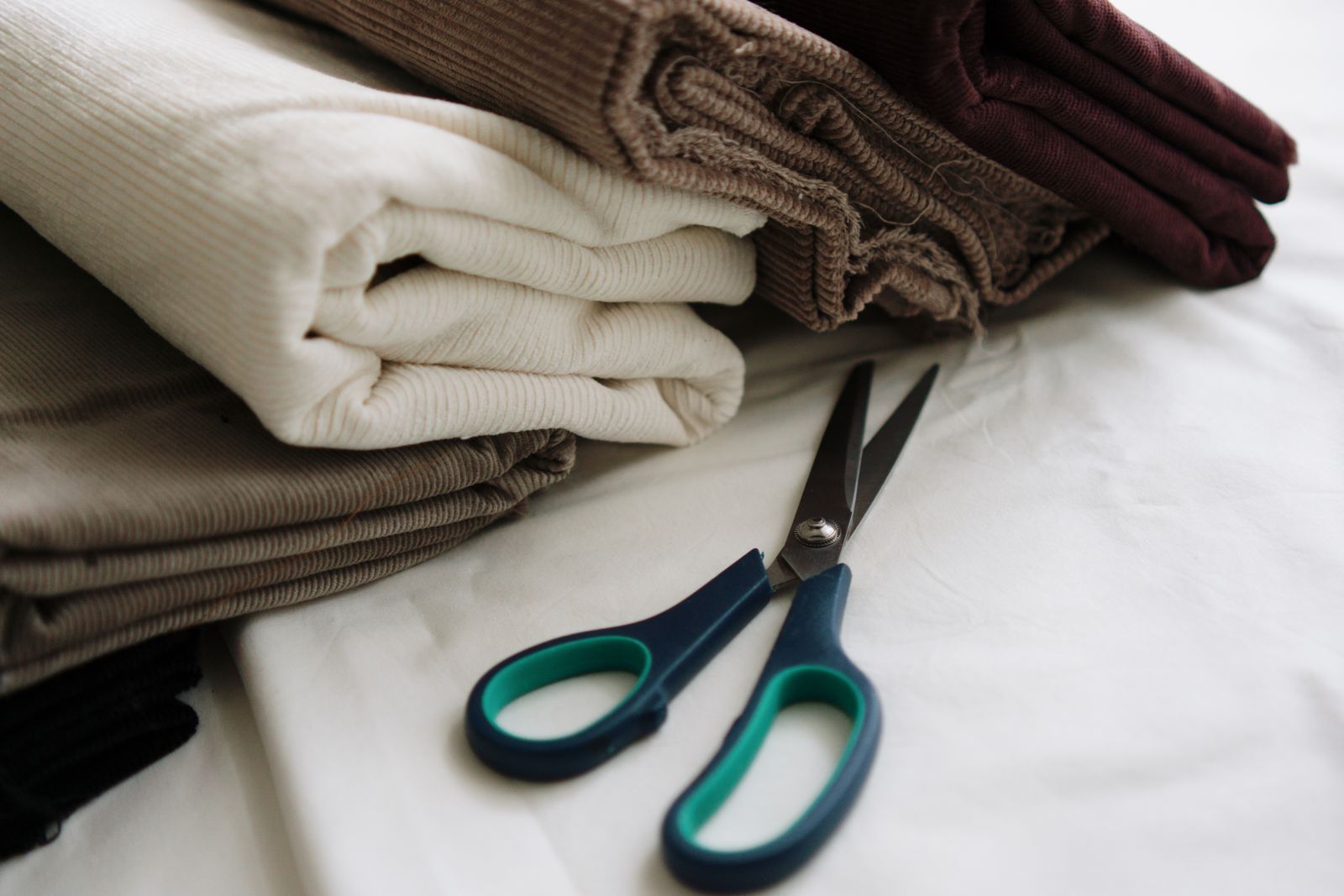
Potential directions include cotton poplin, linen blends, viscose or rayon challis, crepe, woven satin, eyelet embroidery and lace constructions.
The exact article should be approved for opacity, weight, drape, shrinkage, color, hand feel, care expectations and any lining or support it requires.
- Shell and lining compatibility
- Print, stripe or check placement
- Shrinkage and finished measurements
- Trim weight against the base fabric
Dress customization
Build private-label details into the development brief.
Each requested feature should be connected to an approved measurement, material, placement or workmanship reference.
Shape & proportion
Adjust length, waist position, ease, sweep, sleeve shape and neckline.
Surface direction
Review solid colors, prints, embroidery, lace placement and contrast panels.
Functional details
Specify openings, pockets, belts, adjustable elements and lining coverage.
Brand presentation
Confirm labels, hangtags, folding, protective packing and carton instructions.
Dress-specific quality points
Control the details that change how a dress hangs and fits.
Inspection points are confirmed against the approved garment and order requirements.
Explore our capabilitiesPattern balance
Review waist level, side-seam balance, neckline shape, armholes and hem alignment.
Closures & plackets
Check zipper behavior, button spacing, placket alignment and opening reinforcement.
Volume & symmetry
Compare gather distribution, pleat direction, ruffle shape and specified pattern matching.
Final appearance
Review pressing, seam appearance, trim application, labels and packing presentation.
Build the collection
Related woven womenswear categories
Use connected category pages to plan complementary silhouettes around the same collection direction.
Shirts
Coordinate collars, sleeves and clean woven fabric directions.
Explore ShirtsMatching sets
Develop coordinated tops and bottoms with aligned materials and trims.
Explore Matching setsBlazers & light jackets
Add structured layers with their own pressing and support requirements.
Explore Blazers & light jacketsDress-specific quality points FAQ
Questions tied to this garment category.
Answers stay connected to the actual design, material and confirmed order inputs.
01Which dress reference is most useful for development?
A Tech Pack, clear garment images, a sketch or a physical sample can start the review. Include the intended fit, length, material direction, size range and commercial context when available.
02Can a dress be developed from a reference photo?
A photo can communicate design direction, but hidden construction, measurements, fabric, trims and finishing still need to be translated into an agreed specification. Protected artwork and third-party branding should not be copied without authorization.
03How are lining and opacity decisions handled?
They are reviewed against the exact shell fabric, color, dress construction and intended coverage. Lining article, length, attachment method and any partial lining should be confirmed during development.
04What should be approved before dress production?
The relevant sample, measurements, shell and lining articles, color, trims, workmanship, labels, packing and commercial terms should be aligned for the order.
Start with what you have
Send the dress reference and the commercial requirements together.
Share a Tech Pack, reference image, sketch or sample together with target quantity and timing. We will use those inputs to review construction, materials and the next useful step.
Send Your Brief