
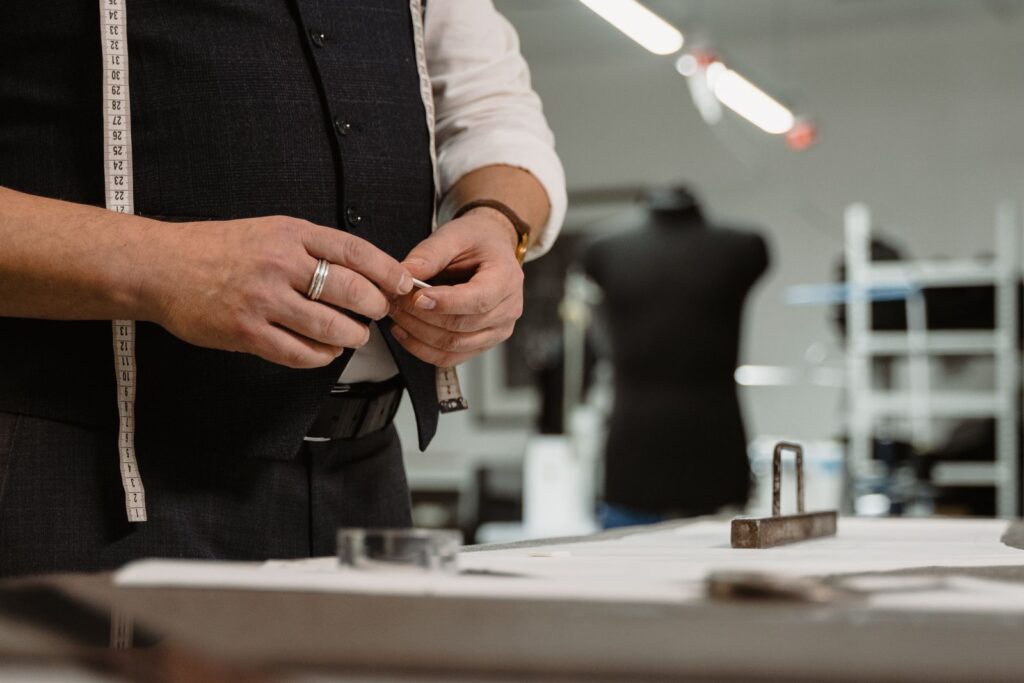
A pre-production sample checklist is the buyer’s final structured review before bulk cutting begins. It confirms that the correct style, pattern, measurements, fabric, trims, construction, labels, care information and packing instructions are represented in one controlled sample and its accompanying records. Approval should mean “produce to this defined standard,” not simply “the garment looks acceptable.”
For woven womenswear, a pre-production sample checklist matters because it turns that distinction into a repeatable review. A dress can look right on a hanger while its bust balance is wrong; a shirt can fit well while its interfacing changes the collar; trousers can match measurements while pocket placement or seam allowance differs from the approved construction. Review the sample as part of a specification system, record every decision, and separate corrections required before approval from observations that do not change production.
Practical rule: if a production operator, quality inspector or packing team could interpret a point in two different ways, the approval package is not yet specific enough.
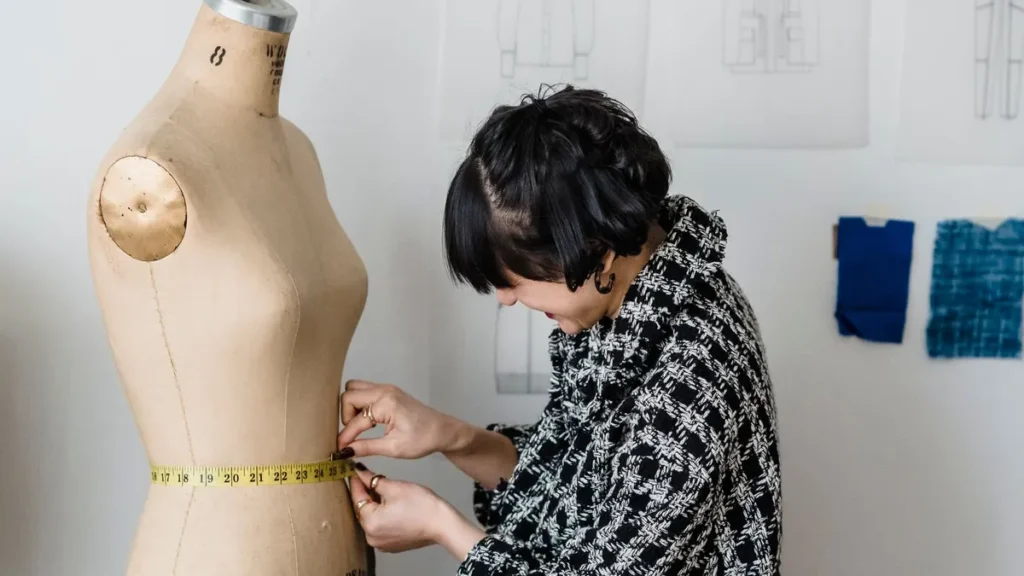
Pre-production sample checklist: confirm the approval baseline
Start by proving that everyone is reviewing the same version. The pre-production sample should be identified by style number, colorway, size, sample stage and revision date. Match those details to the latest Tech Pack, measurement chart, bill of materials, artwork files and written comments. If the sample tag says revision three but the measurement sheet is revision two, stop the review until the files are reconciled.
Freeze the commercial identity of the style
Confirm the product name, intended market, size being reviewed and all color-specific details. Check whether each colorway changes fabric, lining, button, zipper, thread, label, print or embroidery. A component that looks interchangeable may carry a different shade, finish, performance or supplier reference, so “same as sample” is not a complete instruction.
The current woven womenswear Tech Pack guide explains how drawings, measurements, materials and workmanship notes should work together. At the pre-production stage, those documents should describe the garment that is physically in front of the reviewer.
Identify the approved references
- Latest front, back and detail sketches with revision number.
- Pattern version and grading reference used for the sample.
- Finished measurement specification and stated tolerances.
- Approved shell, lining, interlining, thread and trim references.
- Color, print, embroidery, wash or special-finish standards.
- Label artwork, placement instructions and packing specification.
Do not assume that signing the physical sample approves missing paperwork. If a replacement trim was used only because the correct trim was unavailable, attach an exception note and require the production trim to be approved separately. The same applies to provisional fabric, temporary labels or hand-finished details that will use another bulk method.
Define what approval actually covers
Use a clear status such as approved, approved with listed conditions, or revise and resubmit. Avoid vague comments such as “mostly okay” or “please improve in bulk.” A condition should name the point, the required outcome, who must confirm it and whether confirmation is needed before fabric cutting. If an unresolved issue can alter fit, appearance, safety, labeling or cost, it usually needs closure before bulk production proceeds.
Review fit, balance and finished measurements
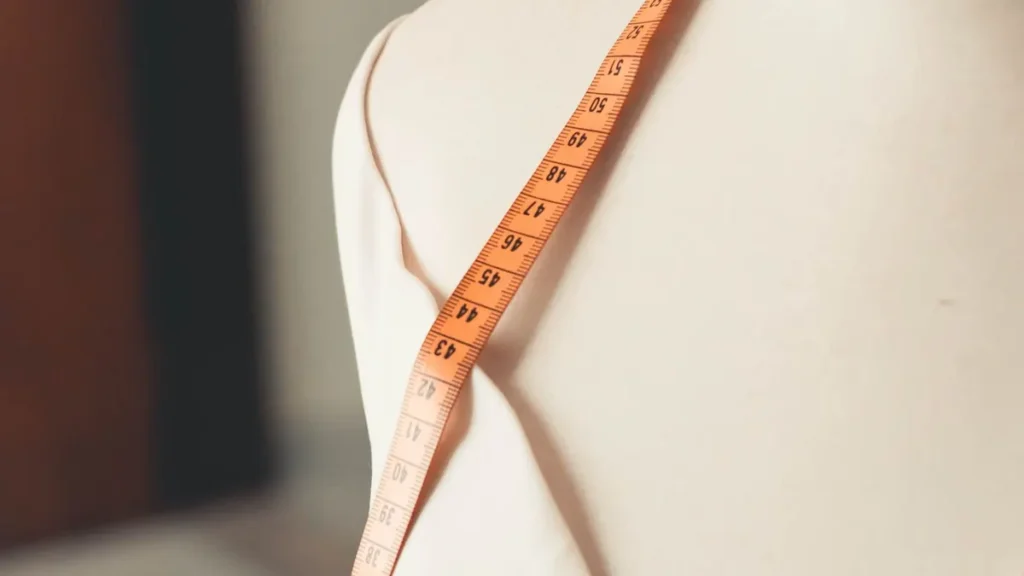
A pre-production sample is both a visual garment and a measurable production reference. Review it on the intended fit model or dress form where appropriate, then measure it using the agreed method. Measurements alone cannot explain posture, mobility or drape, while a subjective fit comment cannot replace a numeric specification.
Use one repeatable measurement routine
Condition and lay the garment consistently, close the fastening as specified, smooth without stretching and use the agreed points of measurement. Record actual results rather than only marking pass or fail. The measurement sheet should make the method clear enough that the buyer, factory and later quality team can repeat it.
For a woven dress or blouse, review chest, waist, hip, shoulder, sleeve, armhole, body length and opening positions as the style requires. For trousers and shorts, common control points include waist, hip, front and back rise, thigh, inseam, outseam and leg opening. The exact list should follow the pattern and silhouette, not a generic template.
The site’s pattern, sampling and fit overview places the pre-production sample after fit comments have been translated into pattern and specification revisions. If the fit still requires exploratory changes, it is not ready to serve as a bulk standard.
Assess balance, movement and visual proportion
Check whether side seams hang correctly, hems sit level, closures lie flat and the garment returns to position after movement. Look for drag lines, twisting, gaping, tightness, excess fullness and unequal left-to-right placement. On stripes, checks or engineered prints, inspect the alignment points that were explicitly agreed; fabric repeat and construction may make some matching positions more important than others.
Ask the fit model to sit, walk, raise the arms or bend as the garment’s intended use requires. A blazer may need shoulder and sleeve mobility; a jumpsuit needs connected torso and rise comfort; a fitted skirt needs enough walking and sitting ease. Record the garment worn, model reference, date and any styling conditions that affected the review.
Separate tolerance from a pattern problem
A single point slightly outside tolerance may be a measurement or sewing variation. A repeated pattern of short lengths, twisted legs or shifted balance may indicate a pattern, shrinkage or construction issue. Do not average away a meaningful defect. Investigate the cause and update the controlled pattern or process before authorizing bulk.
Check materials, construction and performance
Material approval goes beyond fiber name and color. Confirm the exact fabric article, composition information supplied for labeling, usable width, weight or hand-feel target, surface direction, shrinkage behavior, opacity and compatibility with lining, interfacing and trims. Use the fabrics and trims review framework to connect those choices to the actual silhouette and sewing method.
Compare bulk-intent materials with approved standards
Review shell, lining, pocketing, interfacing, elastic, thread, buttons, zippers and decorative components by supplier reference or another traceable identifier. Compare shade and appearance under an agreed light source when color is critical. Check whether adhesive interlining bubbles, strikes through or changes the fabric hand after pressing and care.
Dimensional change can alter finished measurements, seam appearance and pattern matching. ISO 5077 describes a method for determining dimensional change after specified washing and drying procedures. It is a useful standards reference when a buyer and test provider define an appropriate test plan, but linking to it does not state that a sample or factory is certified to that standard.
Inspect workmanship by operation, not impression
Work from top to bottom and outside to inside. Review stitch type, seam type, seam allowance, stitch density, backtacking, edge finishing, understitching, topstitch distance, button reinforcement, zipper insertion, pocket symmetry, hem method and pressing. Confirm any areas where the sample-room technique will differ from the intended bulk machine or folder.
The ASTM D6193 practice for stitches and seams provides standardized terminology and classifications that can help technical teams communicate. The correct seam remains style-, fabric- and performance-dependent; citing the document is not a substitute for specifying the chosen construction.
Confirm labels, appearance and reasonable performance checks
Read every label, not just its position. Compare brand artwork, size, fiber information, origin statement and care instruction with the buyer-approved files and destination-market requirements. The U.S. Federal Trade Commission’s Care Labeling Rule guidance explains that covered manufacturers and importers need a reasonable basis for care instructions. Requirements vary by product and market, so buyers should obtain qualified compliance advice for their own sales destinations.
Define the checks relevant to the product: seam security, closure function, attachment strength, appearance after care, colorfastness, pilling, dimensional change or other agreed characteristics. Not every style needs every test. The buyer should state the intended market and performance expectation, then align the test method, sample size and acceptance criteria with the supplier or an independent laboratory.
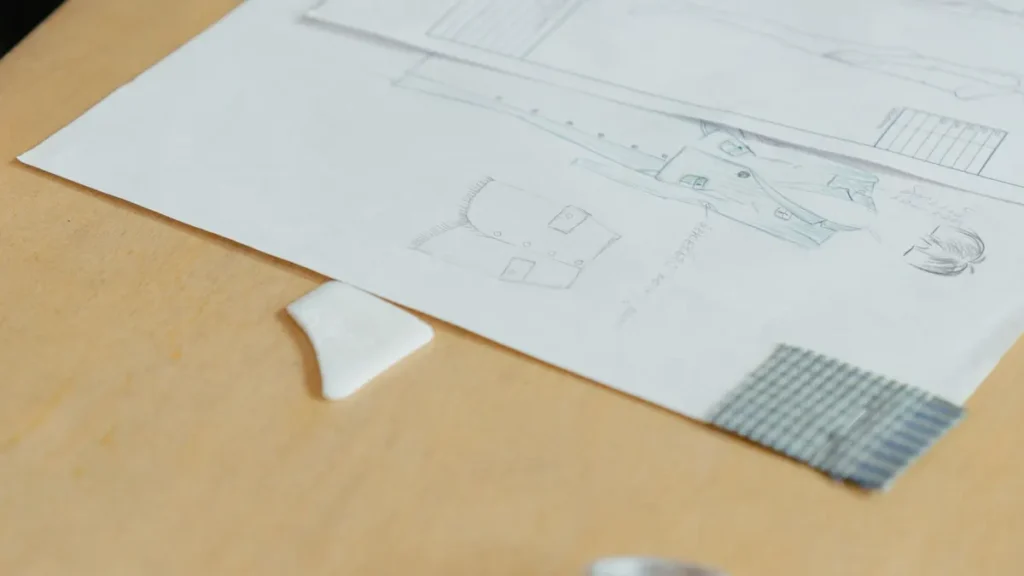
Record the decision and hand it over to production
The strongest checklist ends with a usable production record. Photograph the approved sample from front, back, inside and critical detail views. Date and sign the sample tag or digital approval, list all documents included, and store comments in one controlled location. Verbal conversations can explain a decision, but the final instruction should be written.
| Review area | Evidence to retain | Release question |
|---|---|---|
| Fit and measurements | Actual measurement sheet, fit photos and final comments | Are the pattern and specification aligned? |
| Materials and trims | Approved references, codes, colors and any exceptions | Will bulk use the same approved articles? |
| Construction | Detail photos and operation-specific workmanship notes | Can the sewing line repeat the required method? |
| Labels and packing | Approved artwork, placements, folding and carton instructions | Are market and presentation requirements confirmed? |
Convert every condition into an owner and deadline
If approval is conditional, create a numbered exception list. Assign each item to the buyer, material supplier, sample room, production team or quality team. State whether evidence will be a replacement component, photograph, updated specification, test report or corrected sample. Do not allow an open condition to disappear into an email thread.
After release, brief cutting, sewing, finishing, quality and packing teams against the approved package. The woven womenswear bulk-production process shows where material control, cutting, assembly, pressing and quality checkpoints connect with that baseline. Keep the approved sample available for comparison and document any later change before it reaches the line.
Send a complete package for manufacturing review
Before requesting production, gather the Tech Pack, measurement chart, reference images, target quantity by style and color, required timing, destination market, label files and packing instructions. Flag any item that remains provisional. This lets a manufacturing team distinguish confirmed requirements from questions that still affect sampling, quotation or feasibility.
If you are preparing a woven womenswear style for sampling or bulk review, send Enqi Apparel your project brief and request a manufacturing review. The more clearly the approval baseline and open points are separated, the more useful the response can be.