
The garment manufacturing process from design to production turns a buyer’s idea into an approved, repeatable specification, then into cut, sewn, checked and packed garments. For woven womenswear, the safest route is not a single handoff. It is a series of decision gates: clarify the brief, approve the sample and materials, prepare production, control work in progress, inspect finished goods and confirm packing. Each gate should leave a record that the buyer and manufacturer can use as the same reference.
This guide explains what a brand, buying office or wholesaler should provide, what each production stage should produce, and which approvals should happen before money and material are committed. The exact sequence changes with the style, order size, fabric, decoration and destination market, so use the framework to ask better questions rather than to assume one universal timeline.

Turn the buyer brief into an approved production reference
Production planning starts with an input package, not with a product name. “Woven dress” could mean an unlined slip dress, a fitted shirt dress with a collar and placket, or a lined occasion dress with specialist pleating. Those choices change fabric consumption, pattern work, operations, trims, inspection points and cost.
Separate design intent from confirmed requirements
A useful buyer brief identifies the style, target customer, size range, intended fit, fabric direction, colorways, order quantity, delivery context, branding and packing needs. It should also distinguish confirmed decisions from references. A mood image can communicate silhouette, but it does not automatically define seam type, measurements, lining, closure construction or legal permission to reproduce artwork.
A structured product-development review converts that direction into questions the product team can resolve. Clear inputs at this point make quotations easier to compare because each supplier is pricing closer to the same build.
Make the sample answer a specific question
Sampling is most useful when every sample has an objective. An early development sample may test silhouette and construction. A fit sample may test measurements, balance and movement. A size-set sample may check grading. A pre-production sample may combine approved fabric, trims, labels, workmanship and measurements as the final reference before bulk.
The names used for samples vary between companies, so the label matters less than the written purpose. Before requesting the next sample, state what is being tested, what components should be final, who can approve it and whether another revision is expected. The pattern, sampling and fit process should keep comments tied to the correct version.
Use approval gates instead of informal assumptions
An approval should identify the item, version, date, decision and remaining conditions. “Looks good” in a message is difficult to use later if a measurement changed in a separate spreadsheet. Consolidate comments into one controlled record and mark superseded files clearly.
| Gate | Buyer input | Expected output | Decision before moving on |
|---|---|---|---|
| Development brief | Tech Pack, sketch, reference or sample; quantity and market context | Construction questions, material direction and quotation assumptions | Scope and unresolved items acknowledged |
| Fit and construction | Consolidated sample comments | Revised pattern, measurements and construction record | Fit direction and next sample objective confirmed |
| Pre-production | Final artwork, color, size, label and packing requirements | Approved sample and complete production specification | Bulk may begin only after stated conditions are closed |
| Shipment | Inspection, assortment, carton and document requirements | Inspection result, packing records and shipment documents | Release follows the agreed commercial process |
The result of this first phase is not simply “a sample.” It is an approved reference supported by current specifications. That combination gives production teams something measurable to follow when many operators, sizes and colorways are involved.

Confirm materials, pattern, grading and cutting preparation
Once the garment direction is stable, the focus shifts from development possibility to production repeatability. Fabric, trims, pattern, grading and marker preparation are connected decisions. A change to fabric width, shrinkage or stretch can affect consumption, fit and cutting; a change to a zipper or button can affect construction and delivery planning.
Approve the exact material article
Fiber content alone is not enough to identify a woven fabric. Record the supplier or mill reference where applicable, composition, construction, weight or other agreed physical descriptor, usable width, color, finish and performance requirements. Drape, opacity, hand feel, surface appearance and recovery should be assessed against the garment rather than in isolation.
Color approval also needs a defined reference and viewing method. If lab dips, strike-offs or bulk swatches are used, record which one is approved and any accepted limitation. The same discipline applies to lining, interlining, elastic, thread, buttons, zippers and decorative trims. A practical fabric and trim confirmation keeps generic descriptions from being mistaken for final articles.
Align pattern, measurements and grading
The base pattern should reflect the approved fit and construction. The measurement specification should state points of measure, method, tolerance and size values. Grading then translates the approved base into the ordered size range; it should not be treated as a purely mathematical task when proportions, garment length or functional openings need judgment.
Before marker planning, confirm the pattern version, all components, cut quantities, grain direction, nap or print direction, matching requirements and allowances for fused or specialist pieces. For directional prints, stripes, checks or placement artwork, the buyer should decide where matching is required because that decision may affect material use and cutting time.
Prepare and check the cut
Production fabric should be checked under the order’s agreed method before cutting. The appropriate checks depend on the material and contract: usable width, shade continuity, visible faults, relaxation needs, shrinkage information and roll identification may all matter. No single inspection method automatically applies to every order.
Cutting preparation usually includes spreading, marker verification, ply planning and bundle identification. A first cut or pilot quantity can provide an early opportunity to confirm notches, drill marks, matching, panel shape and labeling before the full quantity moves forward. Cut panels should remain traceable by relevant style, color, size or shade group so pieces are not mixed without control.
At this stage, the approved garment, specification, pattern and material reference should agree. If they conflict, stop and resolve the hierarchy rather than letting the cutting room choose. A small unanswered question before cutting can become a repeated defect after hundreds of panels are committed.
Control sewing, finishing and quality during production
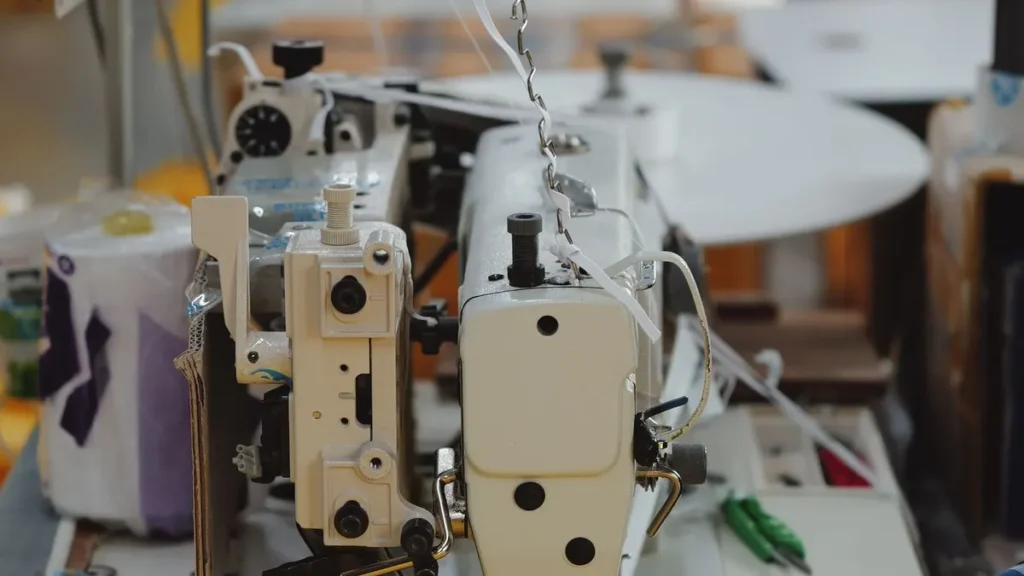
Sewing converts components into garments through a planned operation sequence. For woven womenswear, visible quality can depend on small details: collar shape, placket alignment, seam smoothness, dart position, zipper insertion, hem level, print matching and pressing. A production plan should identify difficult or high-risk operations before they create a bottleneck.
Translate the approved sample into operations
An operation breakdown describes how the garment will be assembled and finished. It can identify machine or attachment needs, seam and stitch requirements, reinforcement, pressing points and specialist work such as pleating, embroidery, washing or heat transfer. The level of detail should match the style’s risk.
Before the line settles into normal output, an initial production review can compare early garments with the approved reference. Teams can check measurements, construction, workmanship and appearance while adjustment is still practical. This is more useful than waiting until all units are complete.
A clear bulk-production route links preparation, sewing, specialist operations, finishing and packing. The route is order-specific; it should not be copied blindly from a different garment.
Place quality checks where problems can still be corrected
Quality control is not one final inspection. Incoming material checks, cutting checks, first-output review, in-line review, finishing checks and final inspection answer different questions. The control plan should focus more attention on risks identified during development: a lightweight fabric that marks easily, an unstable neckline, a difficult zipper, a critical measurement or a label placement requirement.
For final lot inspection, buyers and suppliers sometimes agree a statistically based sampling plan. ISO 2859-1 describes acceptance sampling by attributes, while an order may instead use another agreed standard or a buyer-specific protocol. Referencing a standard does not by itself prove that a factory or shipment is certified or compliant; the purchase agreement must define the applicable edition, inspection level, acceptance criteria and defect classes.
For woven-fabric appearance, ASTM D5430 is one possible industry reference when parties choose to use it. It is not a universal substitute for an agreed material specification, test program or buyer approval.
Finish against the approved appearance
After sewing, garments may require thread trimming, cleaning, pressing, shaping, washing or other defined finishing. Pressing should support the intended silhouette without glazing, seam impressions or distortion. Final measurements should be taken after the finishing state specified by the order, because heat, steam or washing can change dimensions.
Defects should be recorded in categories that lead to action, not only counted. A recurring puckered seam may point to tension, feed, needle, thread or material handling. A recurring measurement issue may point to pattern, seam allowance or operation method. Root-cause correction during production is more valuable than repeatedly repairing finished units.
Responsible sourcing expectations may also extend beyond product inspection. The OECD garment and footwear due-diligence guidance provides a risk-based framework buyers can consult for responsible supply-chain practices. It is guidance, not evidence about any specific supplier; buyers should conduct due diligence appropriate to their own policy and market.

Approve packing and close the order with usable records
A garment is not commercially complete when sewing ends. Labels, hangtags, folding, protective packaging, size assortment, carton quantities, carton marks and documents all affect whether the order reaches a warehouse in usable condition. These requirements should be approved as components, not communicated for the first time at the packing table.
Connect private-label details to the specification
Record artwork version, material, dimensions, color, placement and attachment method for main labels, size labels, care labels, hangtags, stickers and other brand components. The responsible party should confirm that wording, symbols, fiber information, origin marking and care instructions meet the destination market’s requirements. A manufacturer can follow approved artwork, but legal responsibility and testing requirements should be agreed rather than assumed.
The private-label and packaging brief should also specify folding, individual bag or alternative protective presentation, tissue or inserts if required, size and color stickers, assortment, carton strength expectations and shipping marks. Mock-ups or a packing sample can expose practical conflicts before the full order is packed.
Define the final release package
The buyer’s release process may require an internal quality report, third-party inspection, photographs, packing list, commercial documents or other evidence. Decide who books an inspection, which order quantity must be complete, how reinspection is handled, and whether shipment approval is separate from product approval.
Useful closeout records include the final approved specification, material and trim references, sample comments, inspection result, packed quantities and any accepted deviations. Preserve them by style and version. When a repeat order starts, these records give the team a controlled baseline—but materials, colors, measurements, quantities and market rules should still be reconfirmed rather than assumed unchanged.
Questions to ask before authorizing bulk or shipment
- Which physical sample and digital specification are the current production references?
- Are all fabric, trim, color, artwork, measurement and packing approvals recorded?
- Which risks were identified during sampling, and where will they be checked in production?
- What sampling or inspection method, defect definitions and acceptance criteria were agreed?
- Who has authority to approve changes, bulk start, rework and shipment release?
- Which documents and records must accompany the packed order?
The garment manufacturing process works best when every stage receives confirmed inputs and produces a clear output for the next team. That discipline helps buyers compare quotations, control revisions and make approval decisions with less guesswork.