
Woven womenswear category
Women’s Woven Trousers Manufacturing
Develop tailored, relaxed, wide-leg and utility-led woven trousers with rise, waistband, fly, pocket, inseam, leg balance and pressing requirements measured against the intended fit.
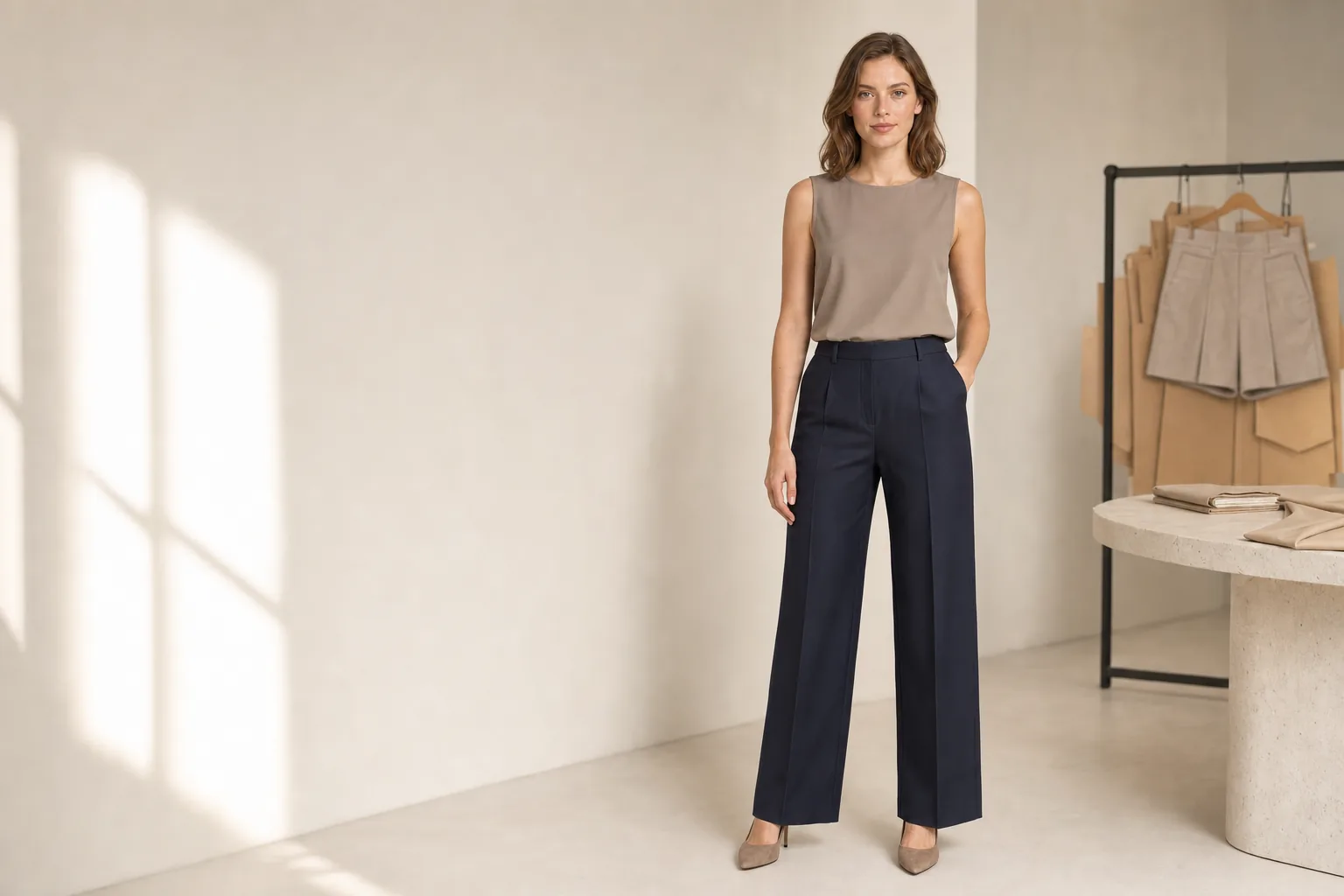
Trouser development scope
Make the intended rise and leg shape measurable.
Trouser fit depends on a connected set of points across waist, hip, rise, thigh, knee, inseam, outseam and leg opening. The sample review should identify which area each comment is intended to change.
Fit framework
Rise position, body ease, leg profile and wearing context.
Construction brief
Waistband, fly, pockets, seams, hems and internal support.
Review method
Garment measurements, fit photos and comments tied to named points.
Silhouette & details
Control rise, leg balance and functional construction.
Tailored trousers, pull-on pants and utility silhouettes need different waist support, pocket engineering, seam treatments and pressing.
Fit & leg
- Straight and tapered legs
- Wide and fluid silhouettes
- Relaxed or utility fits
- Tailored and shaped profiles
Rise & waistband
- High, natural and lower rises
- Straight or contoured waistbands
- Elasticated and drawstring waists
- Belt loops and waist tabs
Fly & pockets
- Zipper or button fly fronts
- Side-seam and slant pockets
- Welt, jetted and patch pockets
- Pocket bags and reinforcement
Length & finish
- Full, ankle and cropped trousers
- Straight, split or cuffed hems
- Turned, blind or faced finishes
- Crease lines and structured pressing
Trouser fabric direction
Select stability and drape for the target leg profile.
Potential directions include cotton twill, gabardine, cotton sateen, linen blends, crepe, lightweight denim and woven suiting articles.
Fabric approval should consider stretch or recovery, opacity, shrinkage, seam strength, pressing response, abrasion at contact areas and compatibility with pocketing and waist support.
- Waistband and fly stability
- Seat and knee recovery
- Pocketing compatibility
- Crease and pressing behavior
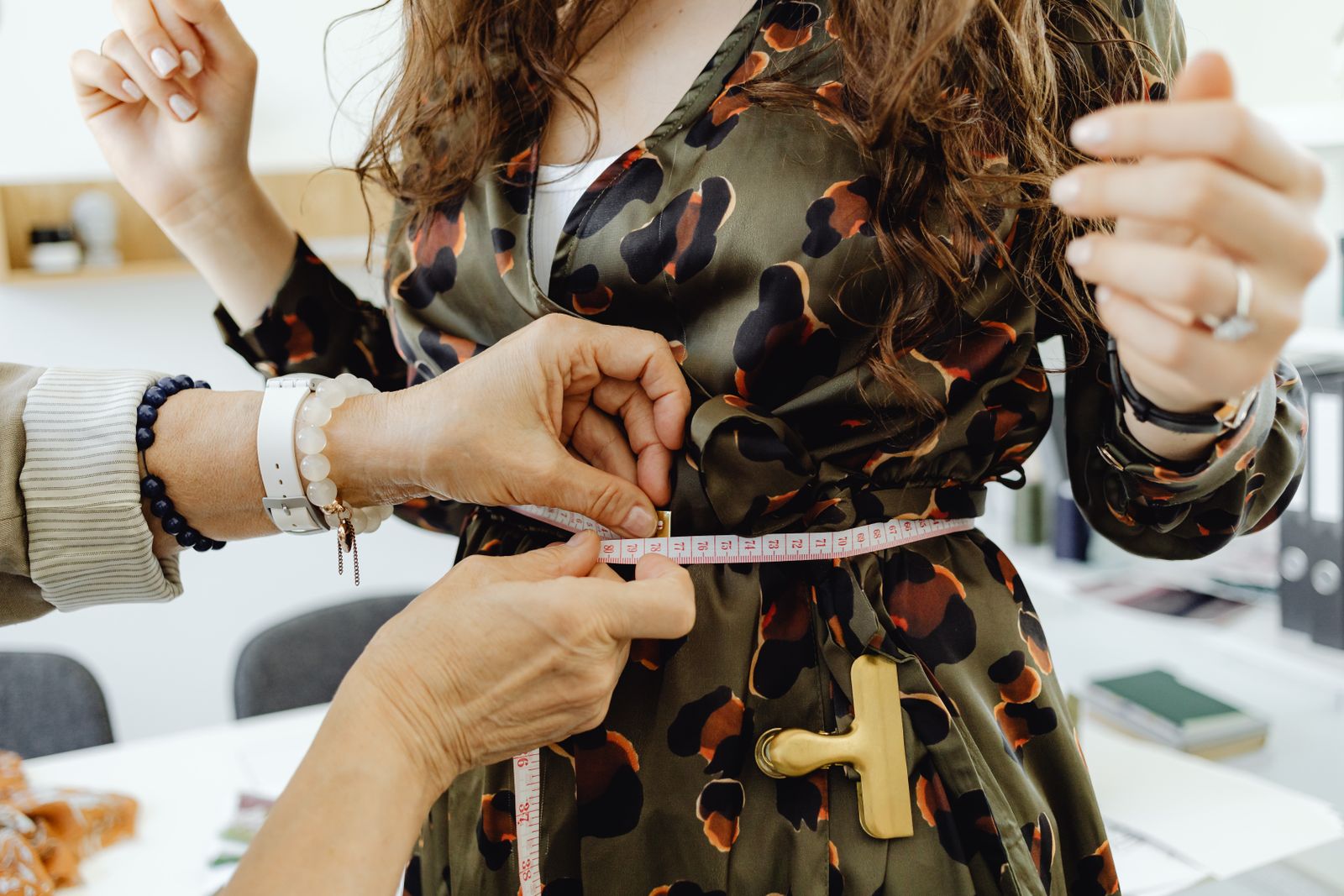
Trouser customization
Tune fit and function for the collection use case.
Requested changes should be recorded at specific measurement or construction points so the revised sample can be assessed consistently.
Rise & fit
Adjust waist placement, hip ease, front and back rise, thigh and leg opening.
Pocket system
Choose pocket type, depth, opening angle, reinforcement and closure details.
Tailoring details
Specify pleats, darts, crease lines, cuffs, tabs and internal waist finishing.
Brand application
Confirm labels, hardware finish, hangtags, folding and size presentation.
Trouser-specific quality points
Measure the fit while checking stress and balance.
Inspection points are confirmed against the approved garment and order requirements.
Explore our capabilitiesRise & seat
Check front and back rise, inseam meeting point, seat shape and seam security.
Leg balance
Review inseam and outseam hang, twist, knee placement and opening symmetry.
Waist & fly
Inspect waistband seating, extension, zipper function, closure alignment and support.
Pockets & pressing
Check opening shape, pocket-bag control, reinforcement, crease lines and shine risk.
Extend the assortment
Connect bottoms with tops, layers and one-piece styles
Use adjacent categories to keep fit language and fabric direction consistent across the range.
Shirts
Coordinate waist placement with tuck volume and shirt length.
Explore ShirtsShorts
Apply related waist and pocket decisions to a separate short-length proportion.
Explore ShortsBlazers & light jackets
Develop a tailored layer with compatible suiting and proportion.
Explore Blazers & light jacketsTrouser-specific quality points FAQ
Questions tied to this garment category.
Answers stay connected to the actual design, material and confirmed order inputs.
01Which measurements matter most for trouser fit review?
Waist, hip, front and back rise, thigh, knee, inseam, outseam and leg opening are common reference points, but the required set should follow the actual pattern and intended fit.
02How should comments about crotch or seat fit be shared?
Use clear front, side and back fit photos together with the related garment measurements and a description of the issue. This helps separate balance, ease and measurement changes.
03How are wide-leg and tapered trousers reviewed differently?
Both require waist, hip and rise control, but the leg profile changes thigh ease, knee placement, hem opening, drape and pressing. Measurements should follow the intended silhouette rather than one generic trouser block.
04What is checked around flies and pockets?
Relevant checks can include alignment, function, reinforcement, seam security, pocket-bag containment, opening shape and the finished appearance after pressing.
Start with what you have
Share the intended rise, leg profile and measurement framework with the reference.
Share a Tech Pack, reference image, sketch or sample together with target quantity and timing. We will use those inputs to review construction, materials and the next useful step.
Send Your Brief