
Woven womenswear category
Custom Woven Skirt Manufacturing with Fit-Led Development
Develop A-line, straight, pleated, gathered and other woven skirt directions with waistband structure, opening, pocket, lining and hem decisions matched to the fabric and intended silhouette.
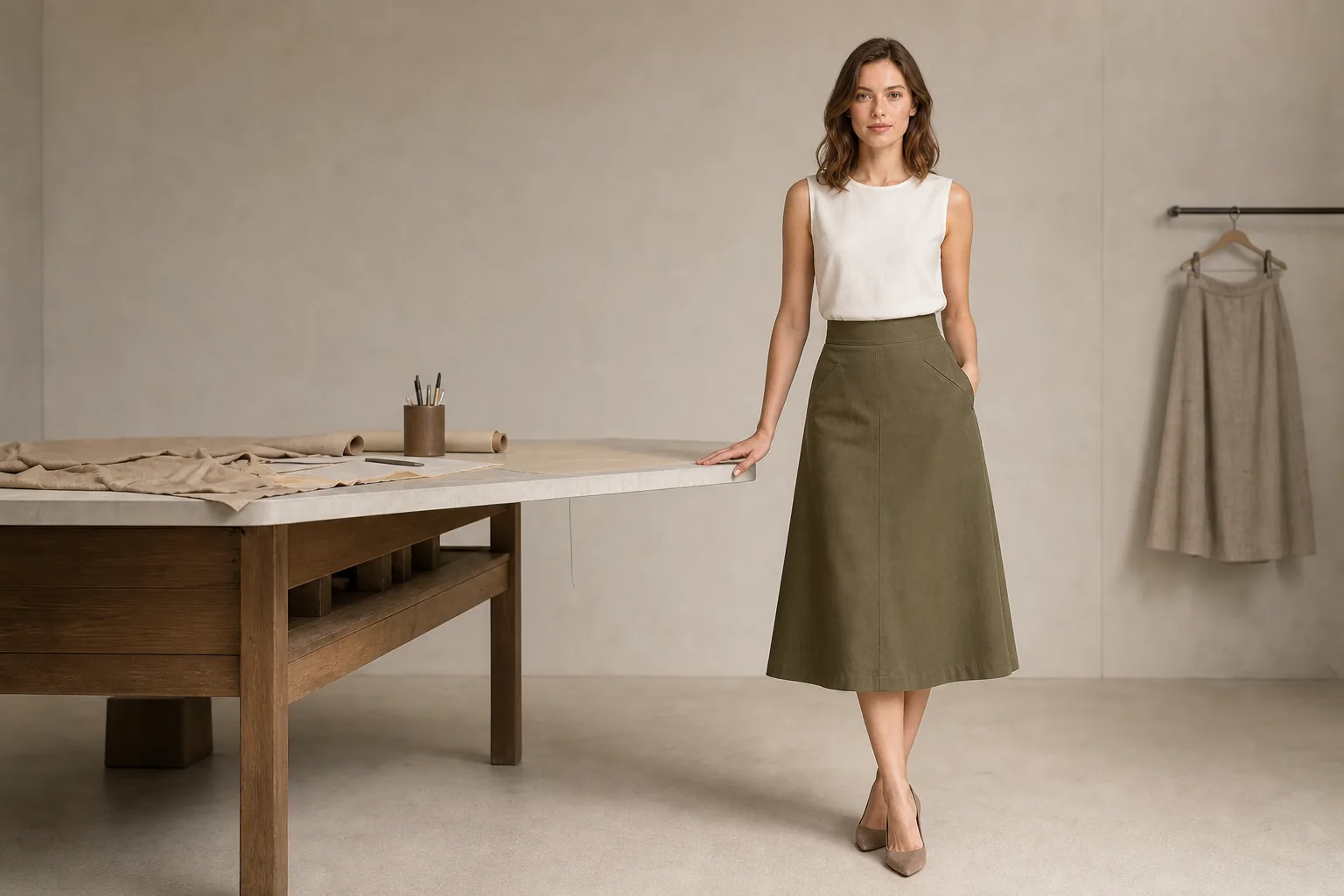
Skirt development scope
Start at the waist, then control volume through the hem.
A skirt’s fit is shaped by waistband position, hip ease, grain, opening and the way volume is introduced. These points should be assessed together during pattern and sample review.
Fit reference
Waist position, hip ease, length and intended footwear or styling context.
Volume direction
Straight, flared, circular, pleated, gathered or panelled construction.
Functional needs
Entry opening, movement, pockets, lining and fastening security.
Silhouette & details
Waist treatment and grain determine how the skirt falls.
The same fabric can behave differently in a bias, gathered, pleated or structured pattern. Construction should follow the desired line and movement.
Silhouette
- A-line and flared skirts
- Straight and pencil shapes
- Tiered and gathered styles
- Wrap, panelled and bias directions
Waist treatment
- Set-on or grown-on waistbands
- Contoured waist shapes
- Elasticated or drawstring sections
- Faced and clean-finish waists
Openings & pockets
- Concealed, exposed or fly zippers
- Button and wrap closures
- Side-seam or patch pockets
- Vents and movement openings
Hem & interior
- Narrow, blind or faced hems
- Curved and asymmetric hems
- Full or partial lining
- Pleat control and internal stays
Skirt fabric direction
Use weight and recovery to hold the intended line.
Potential directions include poplin, twill, lightweight denim, linen blends, viscose, crepe, woven satin, jacquard and suiting fabrics.
The approved article should be checked for drape, recovery, opacity, shrinkage, print or nap direction, seam behavior and compatibility with lining, waist support and closures.
- Waistband stability
- Bias growth or pleat retention
- Lining and static behavior
- Hem weight and hang
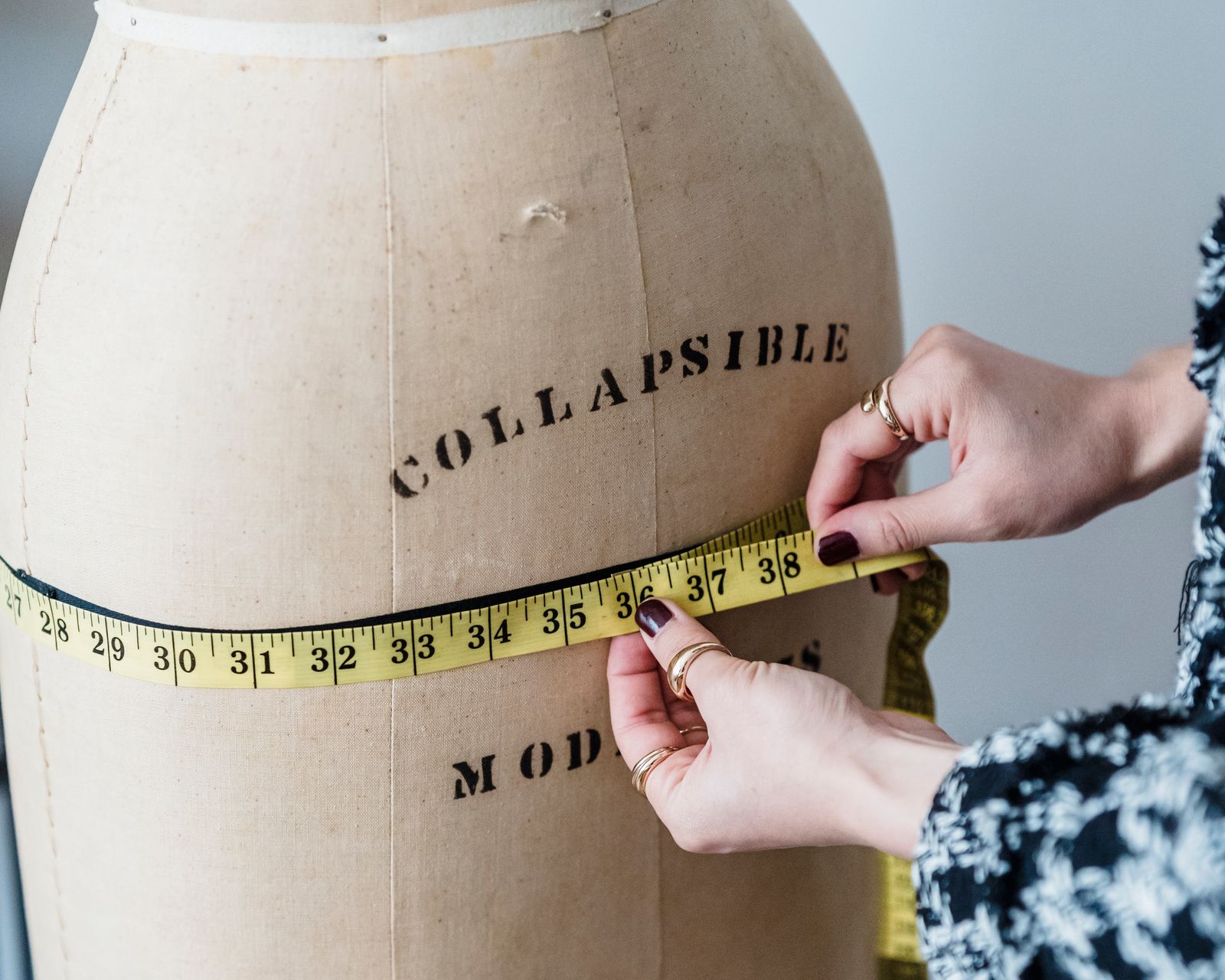
Skirt customization
Define proportion from waistband to hem.
Customized features should preserve the intended balance, entry, comfort and repeatable construction of the approved skirt.
Waist profile
Choose rise, waistband depth, contour, elastic sections and belt-loop layout.
Volume placement
Control panels, godets, pleats, gathers, tiers or asymmetric shaping.
Pocket & closure
Define pocket type, zipper position, buttons, wrap security and vent length.
Collection finish
Coordinate print placement, labels, hangtags and folded or hanging presentation.
Skirt-specific quality points
Protect waist fit, grain and an even finished line.
Inspection points are confirmed against the approved garment and order requirements.
Explore our capabilitiesWaist & hip fit
Check circumference, waistband seating, hip ease, darts and closure position.
Grain & hang
Review side-seam direction, panel balance, bias growth and hem level after handling.
Pleats & gathers
Compare placement, depth, direction, distribution and retention after pressing.
Interior finish
Inspect lining length, vent construction, seam finish, zipper area and hem cleanliness.
Coordinate the range
Develop tops and layers around the skirt silhouette
Related categories help align waist placement, top length and the overall collection proportion.
Shirts
Plan tuck volume, hem length and color or print coordination.
Explore ShirtsMatching sets
Carry the skirt fabric and trims into a coordinated top.
Explore Matching setsBlazers & light jackets
Review jacket length and structure against the skirt line.
Explore Blazers & light jacketsSkirt-specific quality points FAQ
Questions tied to this garment category.
Answers stay connected to the actual design, material and confirmed order inputs.
01How is the correct skirt waist position communicated?
Define whether the style is high, natural, mid or low rise and provide the corresponding garment measurement and body-fit context. Images alone may not show the intended sitting point precisely.
02What information is needed for pleated skirts?
Specify pleat type, direction, depth, spacing, starting point, finished appearance and whether the fabric is expected to retain a pressed crease. Print or stripe alignment may add further review points.
03When should a woven skirt be lined?
That decision depends on opacity, comfort, static, seam coverage, structure and the intended market. The shell and lining articles should be reviewed together on the actual style.
04How are skirt hems checked before packing?
The approved requirements may call for checks of finished length, level, stitch or blind-hem appearance, pressing and how the garment hangs after production handling.
Start with what you have
Send the skirt shape, waist position and material direction for a focused review.
Share a Tech Pack, reference image, sketch or sample together with target quantity and timing. We will use those inputs to review construction, materials and the next useful step.
Send Your Brief