
Woven womenswear category
Women’s Woven Shirt Manufacturing for Private Labels
Develop tailored, relaxed, uniform-inspired and detail-led women’s shirts with collar, yoke, placket, sleeve, cuff, pocket and hem decisions reviewed against the intended fit and end use.

Shirt development scope
Turn collar, placket and sleeve balance into repeatable specifications.
A clean woven shirt makes small differences in collar roll, yoke balance, placket alignment, sleeve pitch and seam finish highly visible. The development brief should define those expectations before sampling.
Design evidence
Front, back and detail views plus any Tech Pack or reference sample.
Wear intention
Relaxed, fitted, oversized, tucked, layered or uniform-inspired styling.
Material behavior
Body, drape, opacity, shrinkage, collar support and pressing response.
Silhouette & details
Engineer the collar, yoke, placket and sleeve as one system.
A soft camp shirt and a crisp tailored button-up require different pattern balance, support, seam construction and pressing even when their overall shape appears similar.
Body shapes
- Relaxed and boxy shirts
- Fitted and darted shirts
- Oversized and drop-shoulder fits
- Cropped or shaped-hem proportions
Collar & yoke
- Point, spread and camp collars
- Collar stands and band collars
- Back yokes, pleats and gathers
- Clean collarless constructions
Sleeve & cuff
- Set-in and dropped shoulders
- Short, three-quarter and long sleeves
- Buttoned cuffs and sleeve plackets
- Roll-up tabs and gathered options
Placket, pocket & hem
- Exposed or concealed button fronts
- Popovers and partial plackets
- Patch, flap and utility pockets
- Curved, straight or side-slit hems
Shirt fabric direction
Choose the article for body, drape and collar performance.
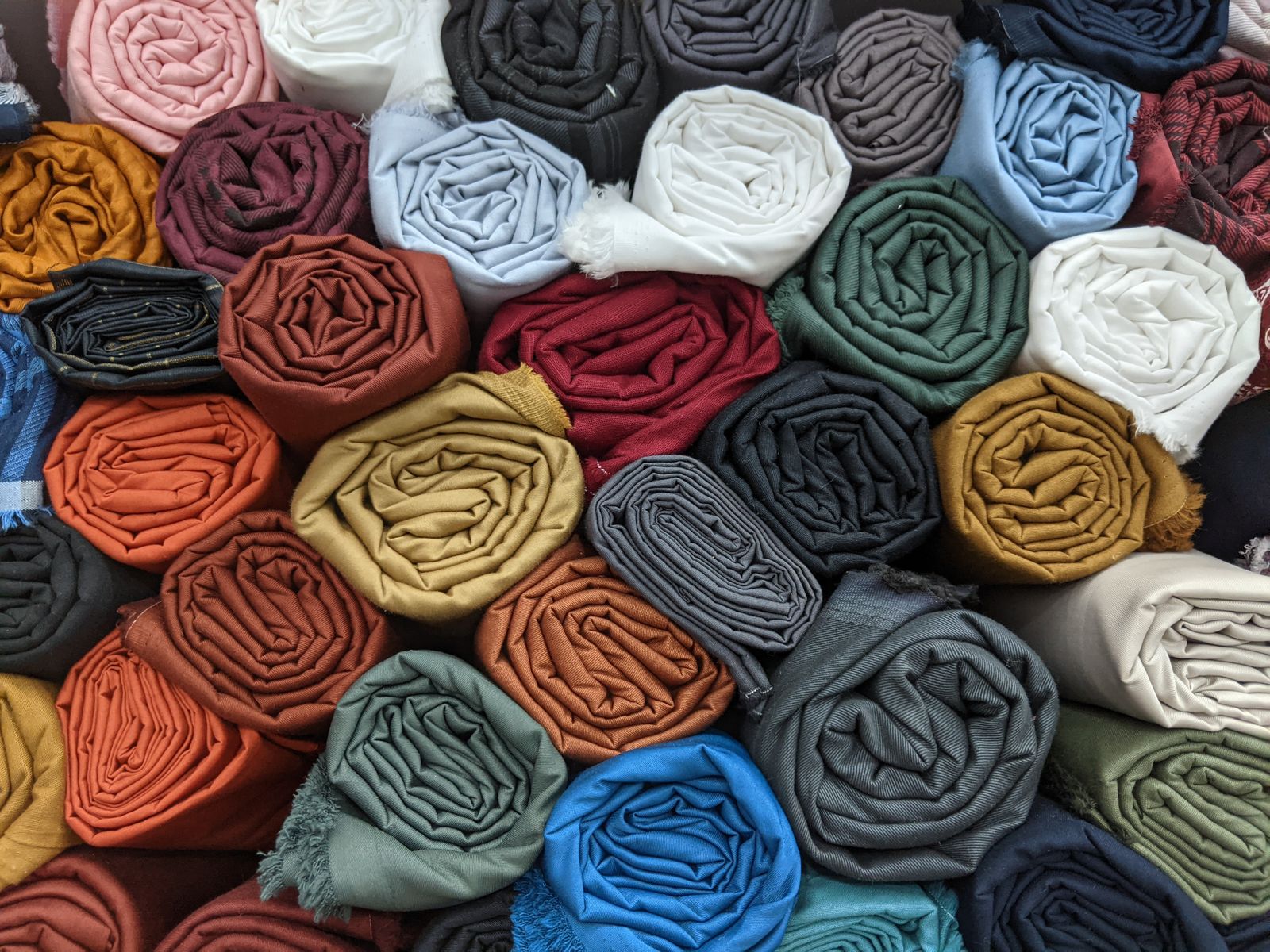
Possible directions include cotton poplin, oxford, twill, linen blends, cotton blends, lyocell blends, viscose and lightweight denim or chambray.
Article-level approval should consider opacity, shrinkage, seam behavior, color, print or stripe registration, interfacing compatibility and how the fabric responds to pressing.
- Collar, yoke and cuff support
- Seam and topstitch performance
- Opacity and shrinkage control
- Button, thread and label compatibility
Shirt customization
Refine the shirt through proportion and construction details.
Collar shape, sleeve volume and hem length should be approved in relation to the intended styling, not as isolated features.
Collar identity
Define collar type, spread, point length, stand height and support level.
Sleeve expression
Adjust shoulder position, sleeve volume, cuff depth, placket and roll-up details.
Front treatment
Specify placket width, button spacing, patch pockets, utility details or concealed openings.
Private-label finish
Confirm main labels, care labels, hangtags, folding boards and packing method.
Shirt-specific quality points
Small alignment errors are visible on a clean woven shirt.
Inspection points are confirmed against the approved garment and order requirements.
Explore our capabilitiesCollar symmetry
Compare points, stand height, roll, neckline seating and left-to-right balance.
Yoke & placket control
Review yoke balance, placket straightness, button spacing, overlap and hem meeting points.
Sleeve balance
Check pitch, cuff alignment, gather distribution and movement at the armhole.
Woven finish
Inspect seam appearance, topstitching, puckering, thread tension and pressing marks.
Complete the outfit
Pair woven shirts with fit-led bottoms
Review related categories when the shirt is intended to anchor a coordinated range.
Trousers
Coordinate rise, waistband and leg shape with tucked or untucked shirts.
Explore TrousersSkirts
Build proportion around waist placement, volume and shirt length.
Explore SkirtsMatching sets
Carry one fabric, color story or trim system across connected pieces.
Explore Matching setsShirt-specific quality points FAQ
Questions tied to this garment category.
Answers stay connected to the actual design, material and confirmed order inputs.
01How do we specify a shirt as relaxed rather than oversized?
Share the intended body ease, shoulder position, length and key garment measurements. Reference images help communicate proportion, but measurable fit points are needed for sample review.
02What affects whether a collar stays crisp or falls softly?
The shell fabric, grain direction, collar pattern, seam construction, interfacing article and pressing method all contribute. The desired behavior should be defined before these components are approved.
03How are stripes or checks controlled on a shirt?
Matching points should be agreed for the front, placket, yoke, pockets, sleeves and side seams where relevant. The fabric repeat and marker plan affect what can be aligned consistently.
04Can branded buttons and labels be included?
Custom brand components can be reviewed as part of the specification. Artwork, material, dimensions, color, placement and application method should be approved before bulk use.
Start with what you have
Share the shirt reference, intended fit and fabric behavior you want to achieve.
Share a Tech Pack, reference image, sketch or sample together with target quantity and timing. We will use those inputs to review construction, materials and the next useful step.
Send Your Brief